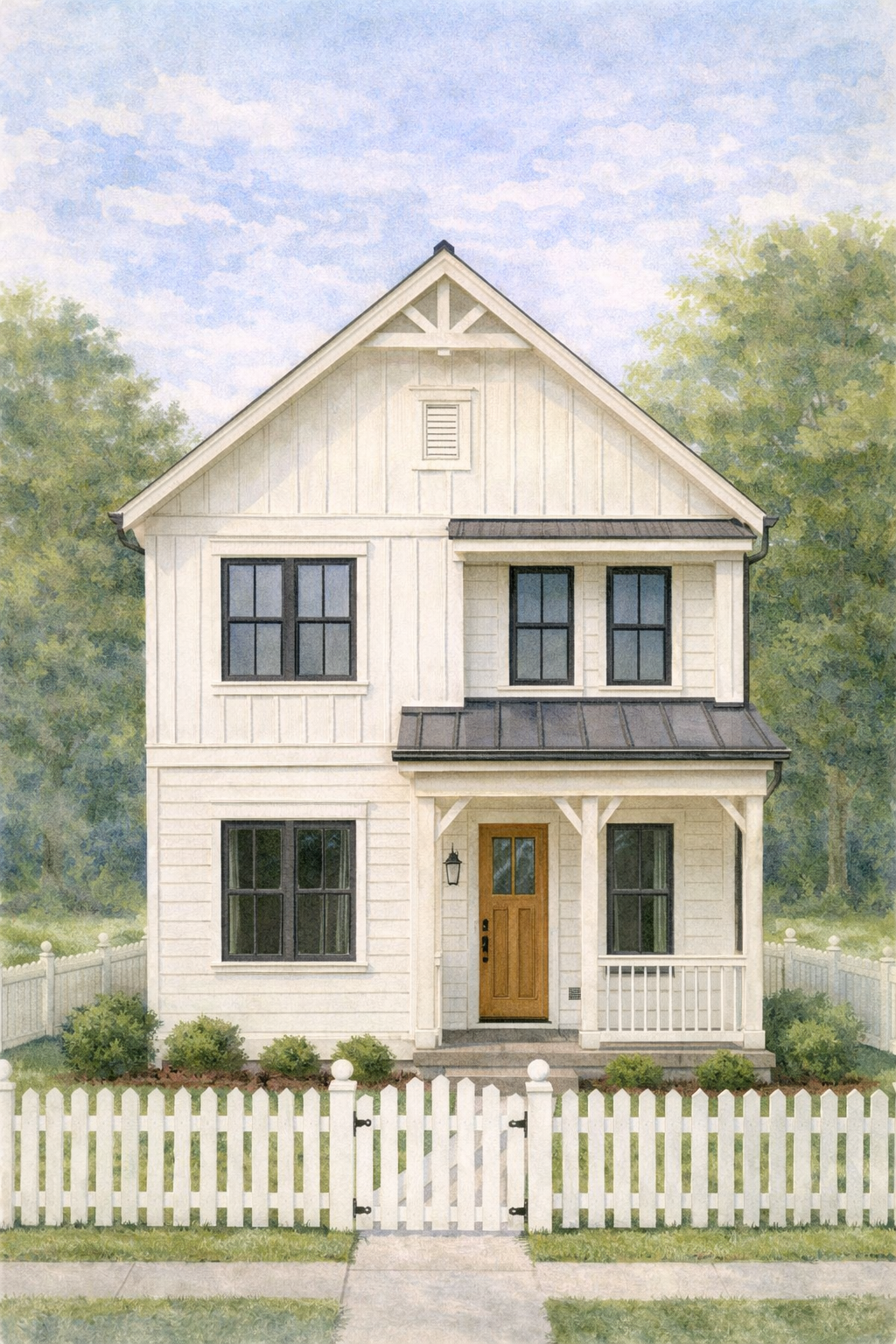
The 1922 Project
The 1922 Project was created in response to the sea of modern commodity housing that looks and feels the same everywhere it is built. Too often, new communities prioritize garages, wide streets, and repetition over character, affordability, and long term livability. The result is housing that costs more to build, feels disconnected, and ages poorly.
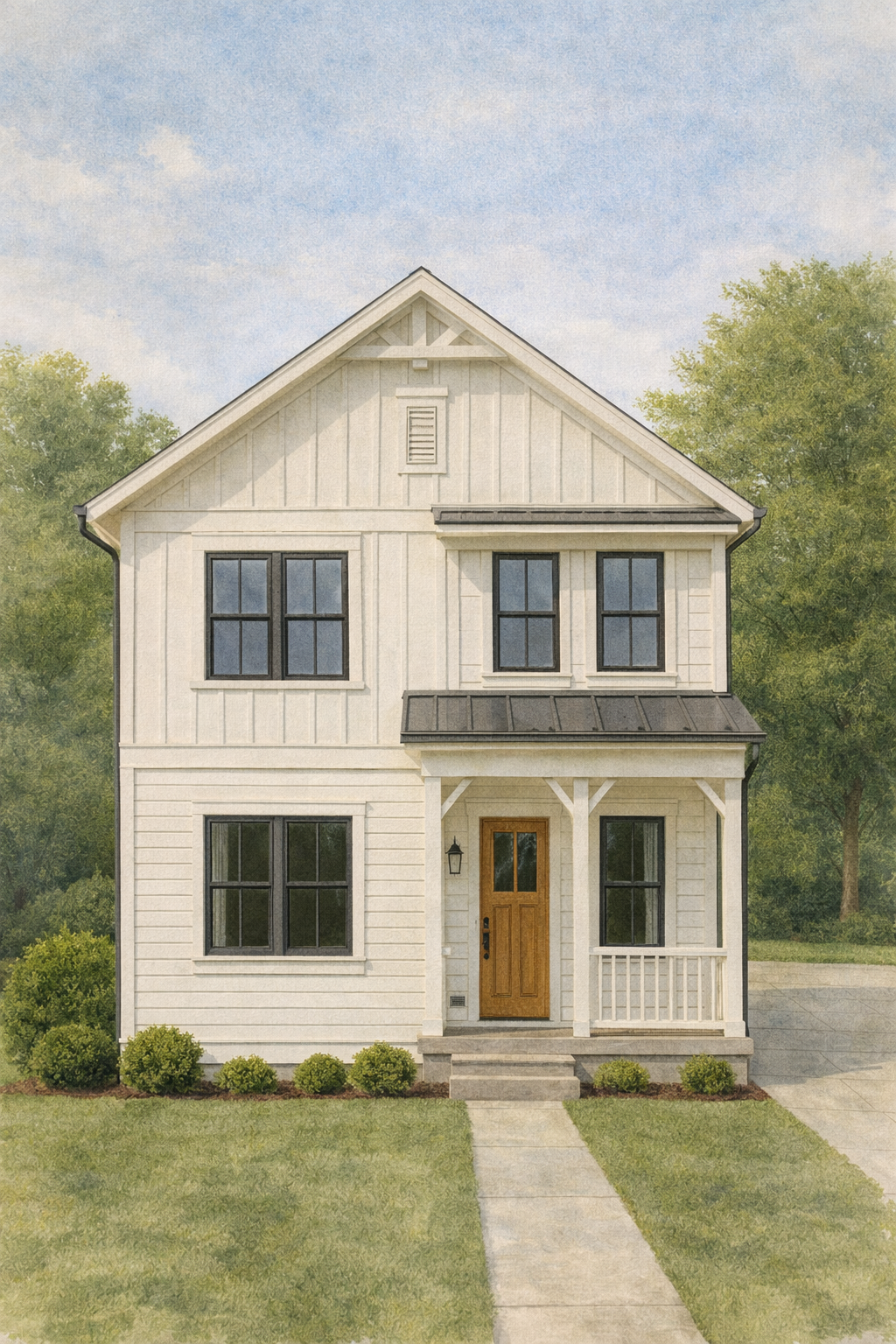
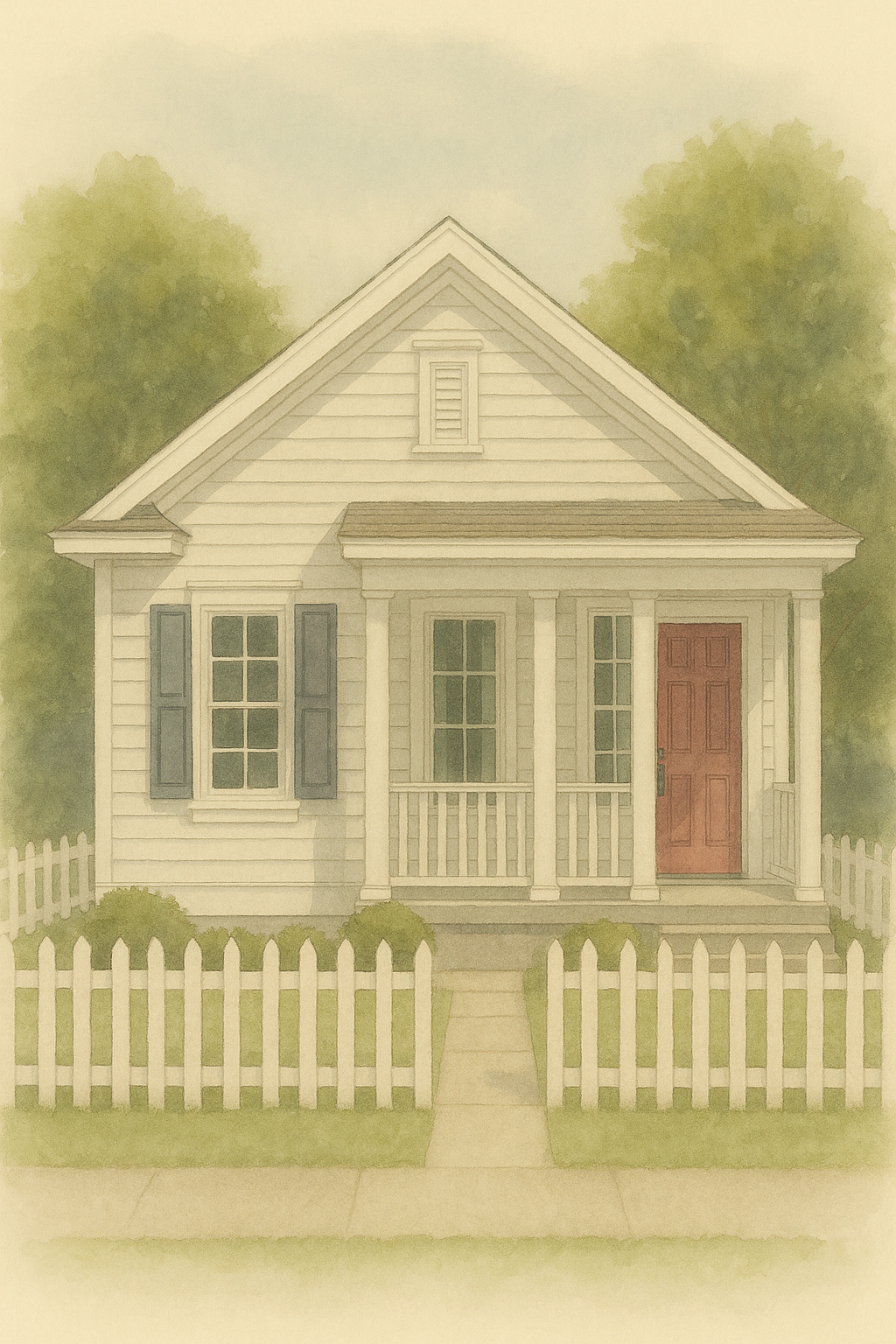
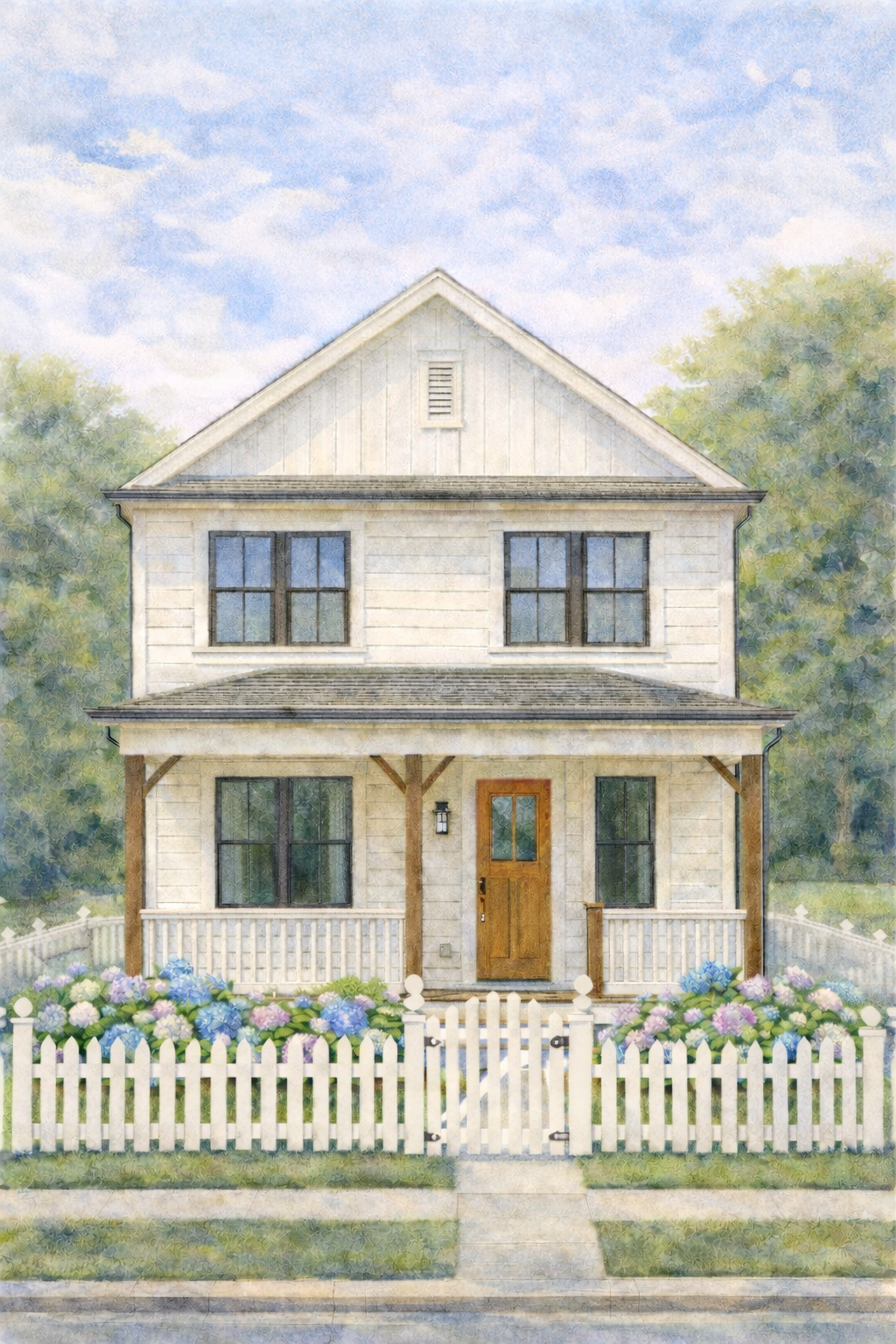
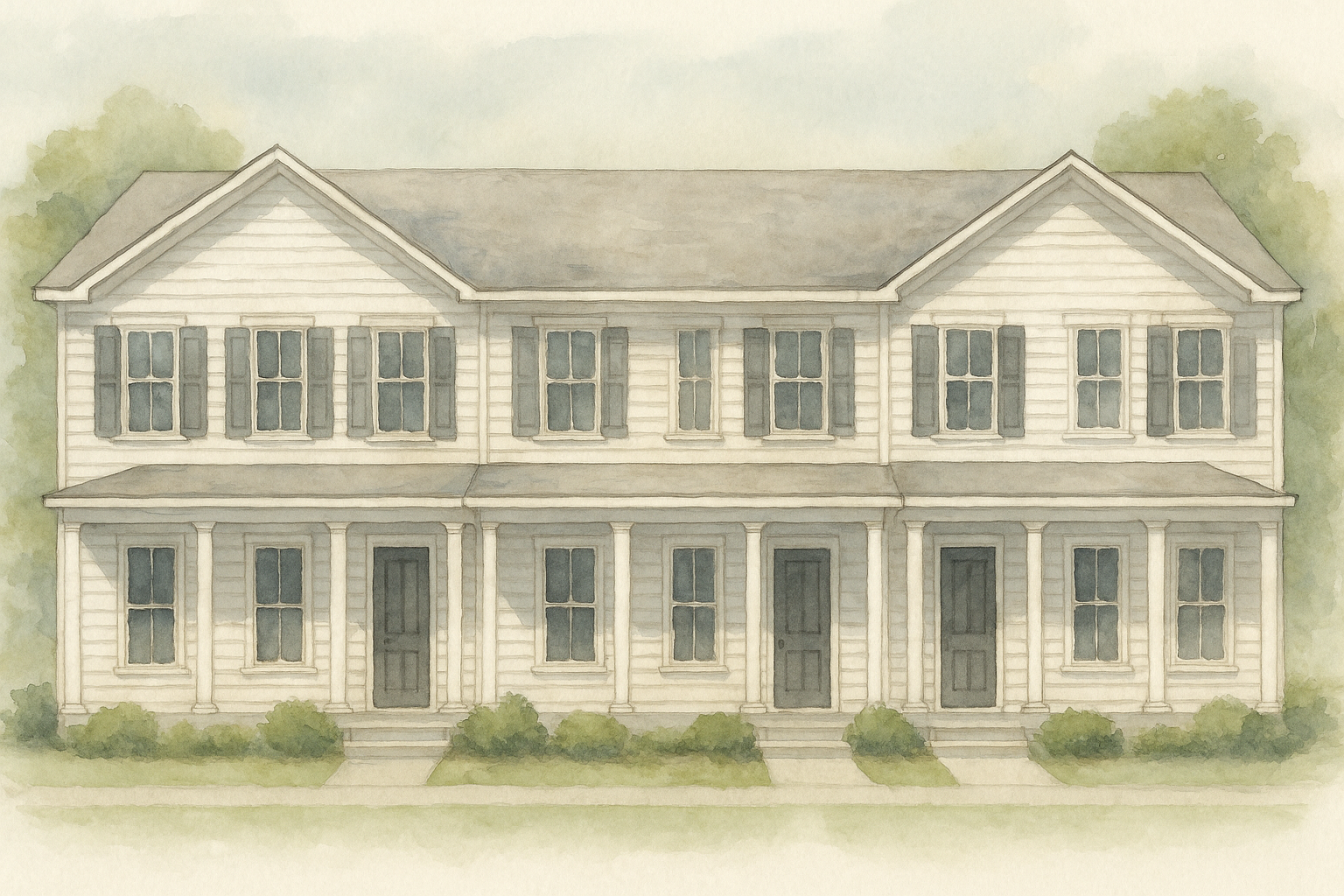
The 1922 Project takes a different approach by returning to design principles that worked a century ago. It is a walkable build to rent community with a mix of townhomes and detached rental homes organized around shared greens, front porches, and human scaled streets. By simplifying buildings and focusing investment on where people actually live and interact, the model helps address affordability while creating places that feel familiar, durable, and built to last.
The name comes from 1922, the year Candler Park in Atlanta was established. That neighborhood remains one of the city’s most enduring places because it was designed at a human scale, with walkable streets, front porches, and homes that relate to people rather than cars. The 1922 Project applies those same principles to modern rental housing in a way that can be replicated across markets today.
Design and Community Philosophy
Garages are intentionally reduced or eliminated to lower construction costs tied to roof area, framing, and structure
Savings from garage reduction are redirected into front porches, picket fences, and exterior details that shape the street
Homes are designed around people and daily life rather than vehicle storage
Front porches are usable spaces that create activity and presence along the street
Picket fenced front yards establish a clear relationship between public and private space
Simplified building forms reduce visual clutter and create cleaner rooflines that age well
Streets are scaled for walking, conversation, and everyday use rather than speed
A mix of home types allows residents to remain in the same community through different stages of life
Design choices prioritize long term durability and appearance without increasing the overall cost basis